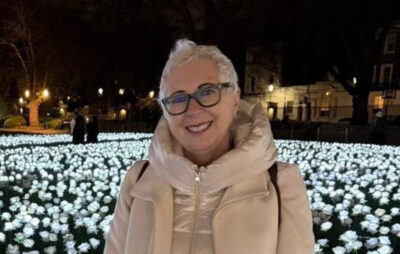
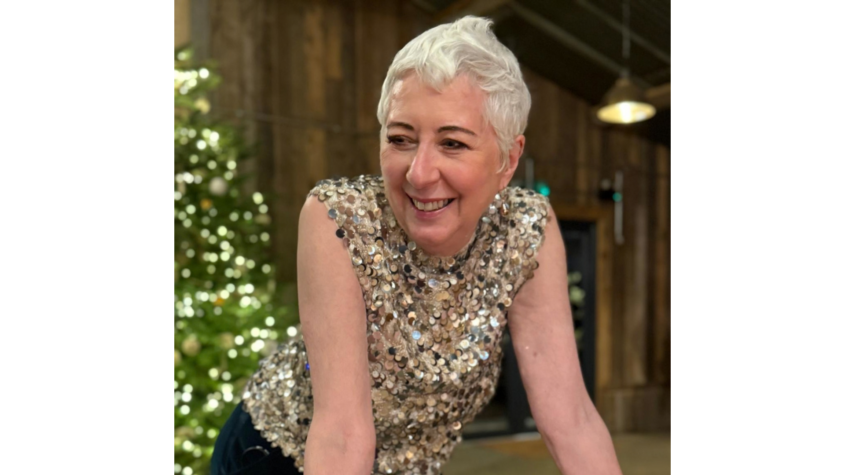
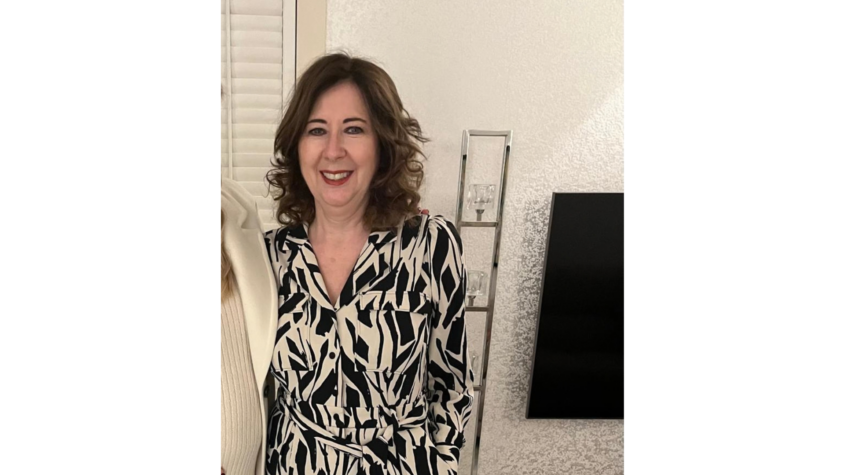
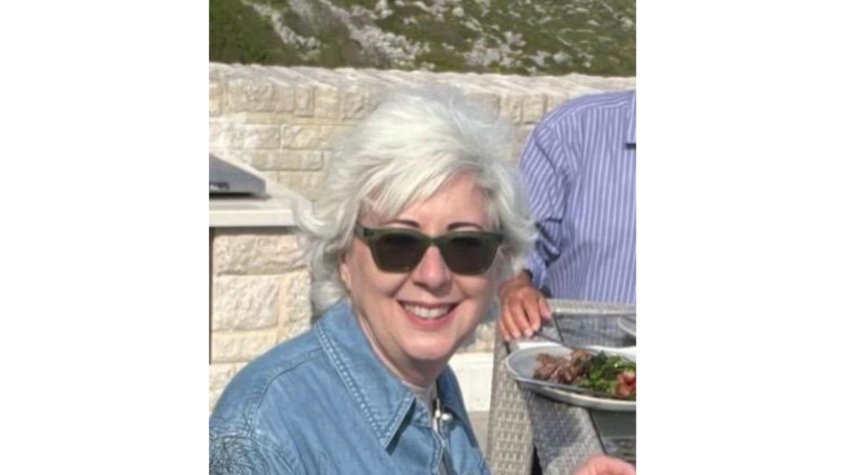
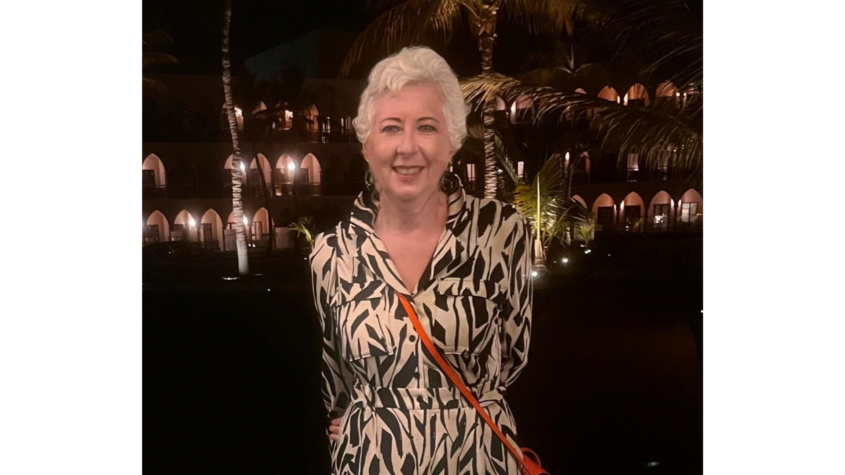
Natalie & her dad, Derek

In 1995, Natalie received some shocking news. Her dad, Derek, had been for an urgent scan as his eyes were yellow – a sign of jaundice. The scan found incurable pancreatic cancer.

My dad had no treatment options.

He tragically died just three months after diagnosis, aged 66. Almost 30 years later, when I received blood test results with odd readings, my dad’s experience immediately came to mind. Thankfully, my GP was proactive and immediately sent me for a scan. My fears came true. I had pancreatic cancer.

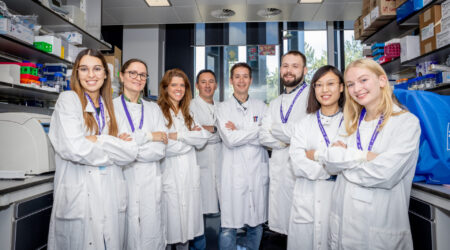
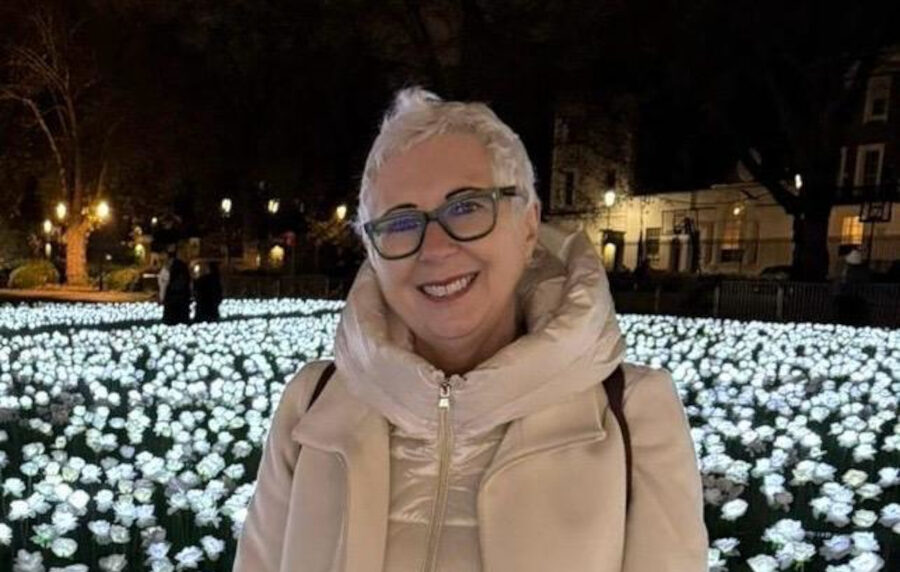
Together with Natalie, this October, we are driving forward research into new treatments.

Pancreatic cancer is the deadliest cancer. Our researchers are working to find out how to uncover it, outpace it, and stop it.

This October, every pound you donate towards groundbreaking research will be matched by generous philanthropists The Freddie Green and Family Charitable Foundation.

Double your donation. Double your impact on life-saving research.

My dad, Derek.

He was an amazing man, kind, fun but also stoical. He was 66 when he was diagnosed with pancreatic cancer in 1995. He died the same year. He’d just retired so he was celebrating with his wife by visiting his brother in Australia for the first time.

My sister believes that he started to feel sick then, but it wasn’t enough to wave any red flags. It wasn’t until his eyes went yellow – a sign of jaundice – that we knew something was very wrong. He was quickly sent for a scan and told, whilst alone, that he had pancreatic cancer. We were all totally blindsided. 

I’ll never forget the shock of seeing the statistics.

A charity I contacted faxed over information on the disease. That was the first time I realised pancreatic cancer was a death sentence for most people diagnosed, and it kills quickly.

If you have been fortunate not to have had experience with the disease, you think it’s like other cancers. You imagine that, after diagnosis, you’ll be given a plan and put on the treatment pathway. 

You hear about people beating cancer all the time, don’t you? But with pancreatic there is so often no plan. My dad had no hope except to put his affairs in order.

There was no hope.

At some point, they tried to fit a stent to relieve the jaundice, but it didn’t really work. Nothing could be done to save our lovely Dad. He was diagnosed in May and died in September. He spent his last three weeks in a hospice where they tried to control the pain. It was horrific.

The Christmas after his passing felt so quiet without him. Everything felt so different. Without my dad’s experience, however, I wouldn’t have been on such high alert for pancreatic cancer. 

I think part of my good fortune was living where I did.

We had recently moved to London when it all kicked off. The GP, hospital and cancer centres around me were fantastic. Your chance of treatment shouldn’t come down to location, but sadly it does. Around September 2024, my husband had scheduled a private blood test to check he was in good health. He recommended I do the same.

When my test came back, I had some odd readings.

I took the results to my GP. She was amazingly proactive and sent me for a scan. I was seen quickly and told they would be in touch with the results. 

My husband and I were at the coast to celebrate his birthday and our wedding anniversary. My doctor rang me at a prearranged time. She said I needed to go to the hospital to speak with a consultant. Worrying about my family history, I pushed her and asked if they had found something. After a pause, I heard, “Yes – it is small but there is something there.” I knew it had to be pancreatic cancer.

I think it was the worst moment of my life. I was shaking with shock. My husband and I stayed awake all night, talking and crying.

Apart from a small amount of on-off back pain, which I thought was from putting my back out a few weeks prior, I’d had no other symptoms. I believed my death was imminent. 

My mind went to my daughter who was four months pregnant. I wasn’t going to meet the baby, and how could I possibly tell her this?

We are close. We speak on the phone several times a day. I was worried the shock and stress that comes with this news could harm her or the baby. For 24 hours, I was living with this nightmare situation in my mind. I phoned my sister-in-law, a retired GP, and she helped me tremendously. She reassured me that they had said there was something small on the scan. If the disease is caught early enough, a diagnosis isn’t a death sentence. 

I had a biopsy shortly afterwards which confirmed my fears.

It was pancreatic cancer. However, my husband and I were also given hope. As it had been caught early, I was eligible for surgery.

I left that appointment with enough optimism to stomach telling my daughter. I told her, my sister, stepchildren and everyone I loved that I was about to share some really bad news, but it was almost like I’d won the lottery too. I needed to soften the blow. I said I am really lucky to be able to have surgery 

I don’t know how I would have faced telling everyone, especially my daughter, if there were no treatments available.

I’m glad I didn’t have to face that reality.

The majority who are diagnosed with pancreatic cancer tragically do. My family and friends were all stunned by the news, devastated, but they quickly rallied around me, and I will forever be grateful to them. 

The operation was scheduled for 2nd December with an amazing surgeon. I was nervous but more scared that I wouldn’t get to have it for some reason, perhaps being unwell on the day and surgery having to be postponed.

I knew that waiting would give the cancer a chance to grow and spread, leaving me with an incurable diagnosis. Thankfully, I was wheeled down as scheduled. Due to the position of the tumour, my robot-assisted operation (distal pancreatectomy) took around five hours – it’s typically a lot longer. 

I was in recovery for five days before discharge. My sister-in-law came to help my husband look after me. They were both great in ensuring I got enough calories and nutrients. My daughter and sister also stayed, helping to support and entertain me as I regained my strength. 

I had a shock when I went to my first oncology meeting.

It had been mentioned that I would only need light chemo after surgery but here I was being told they really needed to blast me with Folfirinox, a type of chemo known to be particularly gruelling. The head nurse saw the worry on my face and said, “It’s brutal but doable”. I think that accurately sums up my experience. It was punishing but I coped. I know some people have bad side effects, so I consider myself fortunate. However, it was difficult and has impacted my body. 

When I left after each round, I had to wrap my face with a scarf as the cold would affect my breathing. I couldn’t drink cold water, go to the fridge without gloves, etc. There was ‘first bite’ when your first bite of anything would be sensitive. I had a few incredibly painful UTIs which can be a side effect. I also developed neuropathy [nerve damage] in my hands and feet.

At first, I struggled to hold a cup, do buttons, make a drink but over time, this improved. Now, they just feel numb, but I can do everything again. My spleen was also removed so I need to be careful with bites, infections, strep throat- as these things can quickly lead to Sepsis. That’s something new to worry about! I carry emergency antibiotics everywhere.  

I was overjoyed to meet my granddaughter.

My daughter had her baby in March 2025 whilst I was going through chemotherapy. I’ll always treasure holding her for the first time. It’s upsetting that many people with pancreatic cancer have these moments snatched away. Whilst having chemo, I met someone who thought she was eligible for surgery only to find out later that she wasn’t and palliative chemo was all they had left available. I met another woman who had written many letters for each of her grandchildren to read after her passing. It was just heartbreaking. I can’t believe how few treatment options there are. It makes me so upset that just 10% can have surgery.

I am so incredibly fortunate, but I’d be lying if I said I wasn’t scared.

I’m really afraid it will come back. Recurrence rates for this cancer are high. I have a scan every 12 weeks. For the 10 weeks immediately afterwards, I’m on top of the world; the two that follow are spent worrying whether the next scan will turn my life upside down. I’m waiting for results now. I have a great life, but it is hard to stop thinking about it coming back. I don’t think I’ll ever feel fully relaxed but maybe time will prove me wrong. 

While we wait for more effective treatments to be developed, access to clinical trials would make such a difference. It gives hope. Like my dad, far too many are only told to put their affairs in order. 

The Daraxonrasib clinical trial news from the US proves that more time with our loved ones is possible through research breakthroughs. I hold onto these stories in hope for future generations. 

If your only option is joining a trial for a new drug or method of treatment – well, you’d jump at the chance. You’d do anything for more time with your loved ones. I hope every day that progress will be made in curing this devasting disease.

This October, every pound you donate towards groundbreaking research will be matched by generous philanthropists.

Double your donation. Double your impact on life-saving research.