
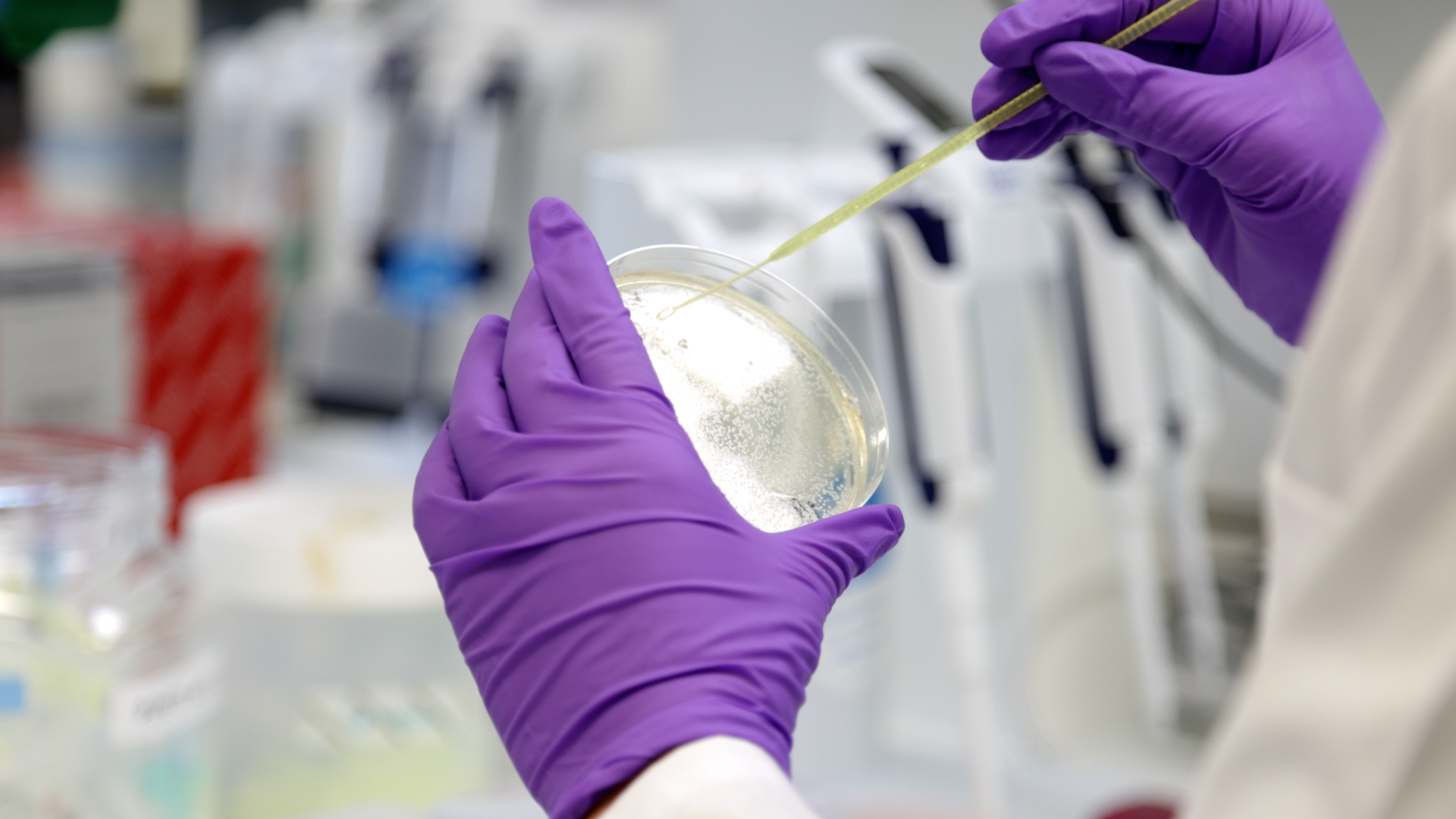

Just 12% of pancreatic cancer patients given the chance to join a clinical trial
New polling uncovered just 12% of people with pancreatic cancer are given the chance to take part in a clinical trial. The findings emphasise the lack of progress in developing desperately needed new treatments.
Just three breakthroughs have been made in the last 100 years after successive governments failed to adequately invest in treatment research. Currently 7 in 10 people with pancreatic cancer receive no treatment at all. Just 10% have surgery, the only potential cure, while only a quarter receive life-extending chemotherapy.
The few existing treatments are too toxic for many people to tolerate, leaving them and their loved ones with only hope to hold on to. Tragically, half of people with the disease die within three months of their diagnosis.
As part of our campaign, Demand Survival Now, which launched yesterday, we polled 1,117 people affected by pancreatic cancer. We uncovered that:
- Only 9% of patients had genetic testing of their blood, saliva or tumour tissue to guide treatment or access to clinical trials
- 40% of patients had to travel more than 20 miles to take part in a trial
- 41% of patients said that finding information on clinical trials was difficult
New, more effective treatment options, with fewer harmful side effects are desperately needed. However, clinical trials in the UK are often unable to open quickly, at scale, and it is difficult to consistently connect eligible patients with the limited number of trials. Speed and coordination are vital. Pancreatic cancer is typically diagnosed at a late stage, and patients can deteriorate quickly, meaning even those enrolled on a trial can ultimately become too unwell to participate.
“Had my dad been given the option to join a clinical trial, perhaps he would have felt better, and we could have done more of the things he hadn’t yet gotten around to. Perhaps we’d have had more time with him, and more hope, instead of helplessness.” – Carys Thomas whose dad, Paul died nine months after diagnosis.

Decades of underfunding by successive governments have stifled the delivery of treatment breakthroughs. Survival rates for pancreatic cancer have barely improved in 50 years, we know if the deadliest common cancer becomes a priority, we can change this. We’ve seen incredible progress in other cancers like breast, prostate and leukaemia thanks to significant and consistent investment.
The new National Cancer Plan for England and the recently passed Rare Cancers Act offer hope for the future. However, we are calling on all UK governments to act now and help fast-track more patients onto clinical trials.
We want to see more support for clinical trials infrastructure and greater use of genomic testing to analyse patients’ individual tumour samples, blood or saliva. Offering genomic testing at the earliest opportunity would help match patients to suitable clinical trials, allowing them to benefit from innovative treatments in trials today, while paving the way for these personalised treatments to become available on the NHS in future.
“The new National Cancer Plan is genuinely ambitious for less survivable cancers and is a welcome blueprint that offers real hope for the future. But action is needed today."
We are calling for people to join us in demanding that all governments across the UK urgently take action to deliver:
- More chances for patients: Personalising treatment by testing tumours whenever possible
- More progress: A system that fast-tracks people onto clinical trials
- More lives saved: Funding for research to support future pancreatic cancer treatments and trials
Diana Jupp, CEO of Pancreatic Cancer UK, said: “Access to clinical trials is appallingly low for pancreatic cancer and is denying too many people the possibility of more precious time with their loved ones. Persistent underfunding has stifled innovation and delivered just three improvements to treatments in the last century. The few treatments we do have are gruelling, and often too toxic for many patients to tolerate.
“The new National Cancer Plan is genuinely ambitious for less survivable cancers and is a welcome blueprint that offers real hope for the future. But action is needed today. Seven in ten people with pancreatic cancer receive no treatment at all – not even chemotherapy. That is totally unacceptable.
“Change is possible if this devastating disease is prioritised, the dramatic improvements in survival for other cancers are proof of that. People with pancreatic cancer deserve more progress. More treatment breakthroughs. They deserve a chance to survive.”