Our impact so far on the early detection of pancreatic cancer
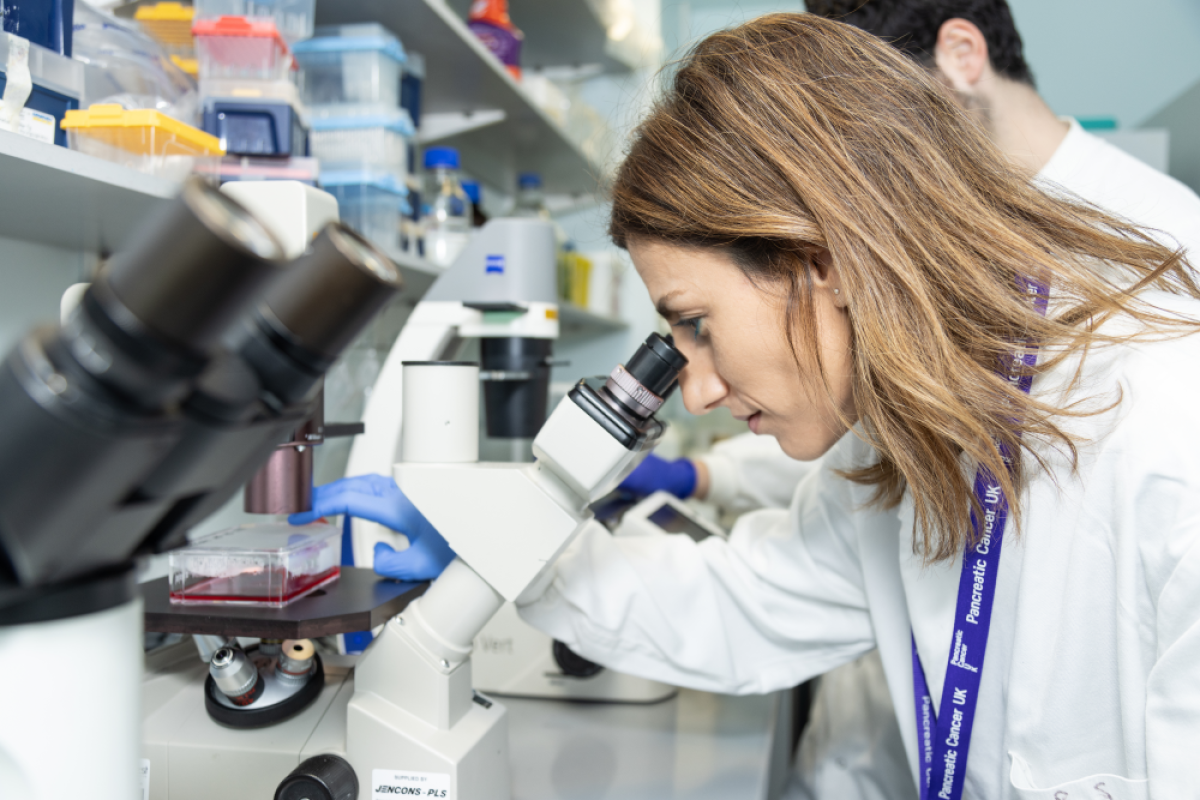
Your support is helping us lead the way in pancreatic cancer research. We’ve invested over £7 million so far in cutting-edge research aimed at improving the early detection of pancreatic cancer.
Pancreatic cancer is the deadliest common cancer. Half of people diagnosed die within 3 months.
Early detection saves lives, however currently over 80% of people with pancreatic cancer are diagnosed too late to receive potentially life-saving treatment.
One of the reasons why early detection of pancreatic cancer is so challenging is that the symptoms of pancreatic cancer are vague and non-specific. This means that it is incredibly difficult for GPs to spot early signs of the disease, and most people are diagnosed too late for treatment that could save their lives.
However, there is hope. Your support is helping us lead the way in pancreatic cancer research. We’ve invested over £7 million so far in cutting-edge research aimed at improving the early detection of pancreatic cancer.
We’re closer than ever before to putting tests in the hands of GPs
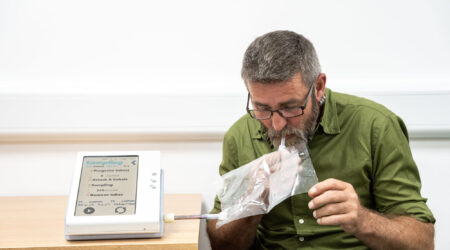
Our funding has helped lay the critical groundwork for the development of tests and tools to identify people with pancreatic cancer faster. There are currently a number of promising tests in development using blood, breath and urine. And we’ve been working hard to make sure that, as soon as those tests are available, they are available to patients at the earliest possible stage. Thanks to you, we’re now closer than ever before to putting accurate tests for pancreatic cancer in the hands of GPs.
We’re identifying and monitoring those most at risk
We’ve also made strides in identifying and monitoring groups of people who are most at risk of developing pancreatic cancer. We’ve improved access to regular monitoring for people with an inherited risk through our Family History Checker, which has been used by over 71,000 since it was launched in 2024.
We’re also working to improve the identification of people with new onset diabetes, one of the largest at-risk groups, who are most likely to have pancreatic cancer. As well as developing new biomarker tests, we are proud to have worked with the NHS to develop a new initiative aimed at identifying people with a recent diagnosis of diabetes who are most likely to also have pancreatic cancer. This could help improve the early detection of pancreatic cancer and enable more people to receive potentially life-saving treatment.
“There are a number of tests and tools in development now that could make a real step change in how we identify and monitor pancreatic cancer in both people with symptoms and also people who are at higher risk. It really feels like we are on the brink of revolutionising the early detection of this devastating disease."
Our researchers are pushing the boundaries of what’s possible. Thanks to your dedicated support, we’ve made vital progress in helping to identify and monitor those at risk of developing pancreatic cancer as well as developing the tests we need to pinpoint people with symptoms at the earliest possible stage.
It is crucial that we continue this momentum to drive forward the breakthroughs in early detection that we so desperately need, which could save thousands of lives every year.