
We’re taking on the toughest cancer
When you begin a race from behind, you have two choices. To remain behind or run faster. To do nothing. Or do more.
Pancreatic cancer is the deadliest common cancer. More than half of people die within three months of diagnosis. With research underfunded and left behind, people are left with only hope to hang on to.
Why hasn’t survival improved?
Survival for pancreatic cancer has barely improved in the last 50 years.
In the UK, pancreatic cancer receives just 3% of the total research budget. As a result, it’s still too difficult to diagnose and treat.
And diagnosis often comes too late. That’s because symptoms are vague and may not appear until the disease is at an advanced stage. People often see their doctor several times before they are finally referred for tests, which means they experience unnecessary delays in diagnosis and wait too long for treatment to start.
There are also too few effective treatment options for pancreatic cancer. Many people are simply too unwell when diagnosed to start treatment at all.
How many people are affected?
Around 10,500 people a year are diagnosed with pancreatic cancer in the UK, but it has the lowest cancer survival rate with around 9,000 dying every year.
7 in 10 people with pancreatic cancer will receive no active treatment and 9 out of 10 are diagnosed too late for surgery – the only current treatment that can potentially cure the disease.
By 2026, more people will die from pancreatic cancer than from breast cancer.
Why has pancreatic cancer been left behind?
Governments across the UK have failed to make pancreatic cancer a priority. Too difficult? Too challenging? For whatever reason, despite massive progress treating other common cancers, pancreatic cancer has been left behind.
Since 2006, we have worked tirelessly to change this. And we’ve seen great progress in recent years. Our challenge is to make sure this progress not only persists, but accelerates. We need the world to give this disease the attention – and, above all, the action – it demands.
We are done with playing catch up.
Thanks to you, our amazing supporters, we are determined to do more. By working together, our actions will transform the future for people with pancreatic cancer.
Latest news
-

5 October 2026
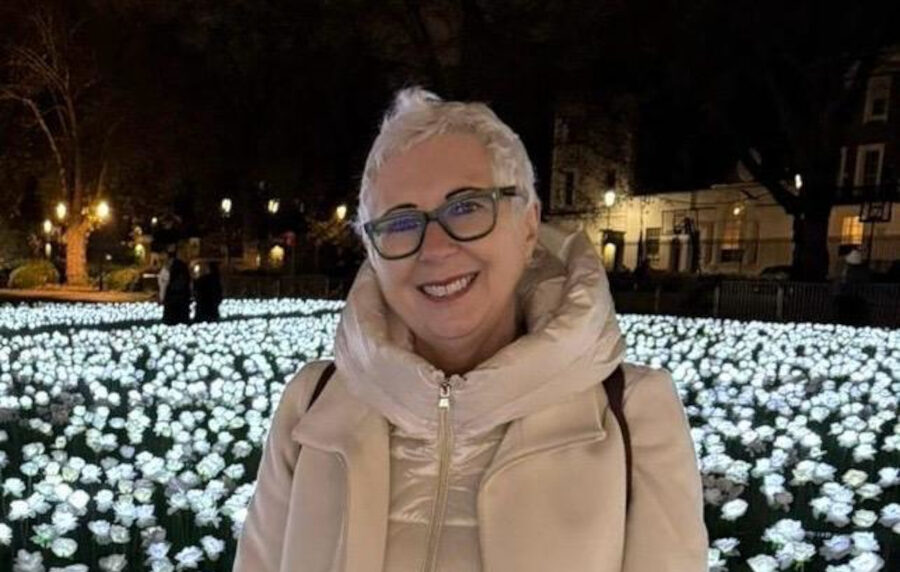
Natalie & her dad Derek
In 1995, Natalie received some shocking news. Her dad, Derek had been for an urgent scan as his eyes were yellow – a sign of jaundice. The scan found ...
Read more -
29 September 2026
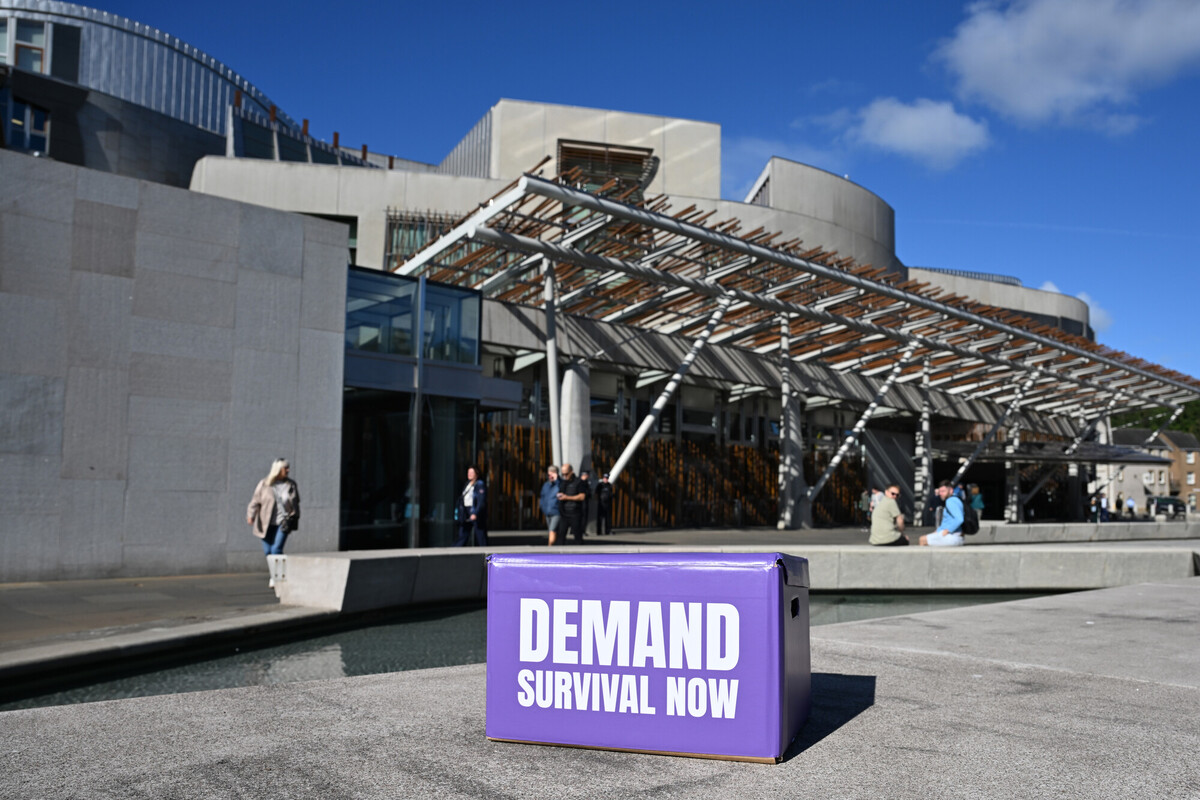
Calling for more treatment breakthroughs for pancreatic cancer
This summer, we’ve been on a mission to raise awareness of the urgent need for pancreatic cancer treatment breakthroughs.
Read more -
29 September 2026
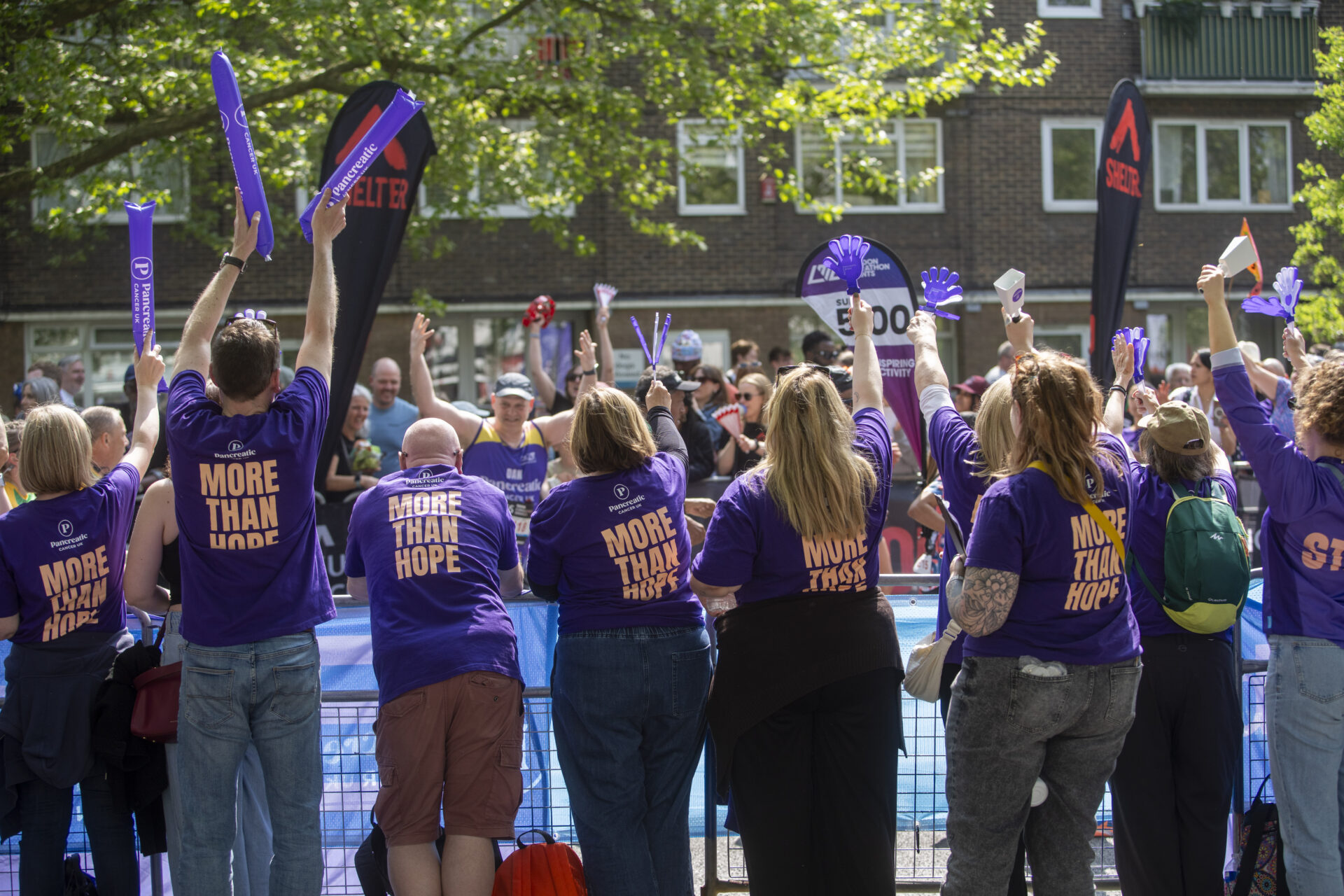
20 years of Pancreatic Cancer UK
2026 marks an incredible 20 years of Pancreatic Cancer UK and we want to thank each and every one of you for your support. Pancreatic cancer is undeni...
Read more
-
5 October 2026
Natalie & her dad Derek
In 1995, Natalie received some shocking news. Her dad, Derek had been for an urgent scan as his eyes were yellow – a sign of jaundice. The scan found ...
Read more -
29 September 2026
Calling for more treatment breakthroughs for pancreatic cancer
This summer, we’ve been on a mission to raise awareness of the urgent need for pancreatic cancer treatment breakthroughs.
Read more -
29 September 2026
20 years of Pancreatic Cancer UK
2026 marks an incredible 20 years of Pancreatic Cancer UK and we want to thank each and every one of you for your support. Pancreatic cancer is undeni...
Read more