

How lived experience helped shape our Gifts in Wills information
At Pancreatic Cancer UK, we are always keen to put the spotlight on those who share their lived experience of pancreatic cancer through our participation activities.
By raising awareness and playing a key part in improving the information and support we provide, we can ensure it reflects the needs of people affected by the disease.
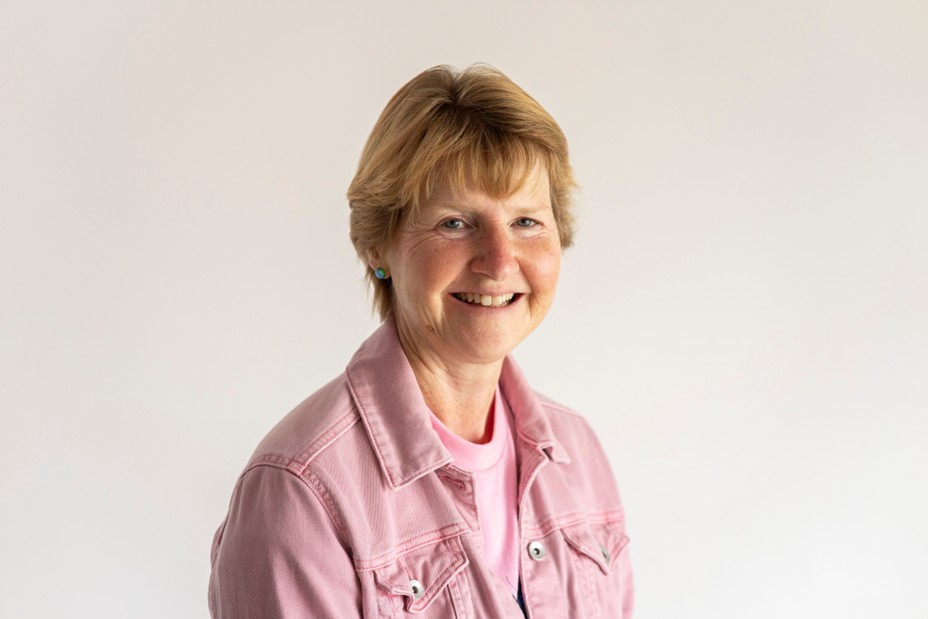
This time, we hear from our Legacy Manager, Clare, who worked with people with lived experience of pancreatic cancer, to review our messaging around gifts in Wills, what they could achieve and why these gifts are so important to Pancreatic Cancer UK:
Why did you involve people with lived experience in this work?
We worked with an agency to help us review our messaging about why someone might choose to leave a gift in their Will to Pancreatic Cancer UK. We already had lots of insights from previous interviews with our supporters, which helped shape the early ideas.
However, we wanted to make sure the new messaging and visuals felt right to the people who matter most – those with lived experience of pancreatic cancer. Their voices helped us sense check whether something genuinely resonated, or whether we need to rethink it.
What kind of things did the people involved do?
10 one hour anonymous interviews with people with lived experience took place, covering:
- their experiences of pancreatic cancer
- how they felt about Pancreatic Cancer UK
- what they thought about gifts in Wills
- and their honest reactions to the two ideas we shared.
Hearing directly from people with lived experience helped us to understand whether the messaging and visuals truly reflected what was important to people affected by pancreatic cancer.
It’s one of the ways we make sure personal experiences shape the decisions we make, right from the start.
How did you find planning your project to make sure people with lived experience were meaningfully involved?
We collaborated with our Volunteering and Participation team to make sure we involved people with lived experience in an impactful way, where they have the time and space to give their input and know that’ll be meaningfully embedded into our work.
Together, we were able to look at things from the perspective of the people taking part and improve aspects such as; how we set expectations, how we communicate clearly, and how we fed back the results to everyone involved.
It also helped us co-ordinate our timings and volunteer selection across other activities taking place at the same time. That collaboration helped us avoid overlap and make the whole experience smoother for the people involved.
How much did involving participants help you achieve your aim?
I was quite overwhelmed by the enthusiasm and passion of the participants. Their insights were invaluable, not only to this specific project, but to our legacy work overall. They enabled us to choose the best option and refine it to make it much more powerful.
What are your top takeaways from working with people with lived experience?
One of the biggest things we learned is the value of planning early. When we take the time to think things through from the start, we can make sure people with lived experience feel supported and get the most out of taking part.
People with lived experience care deeply about the cause and genuinely want to contribute. They bring insights, perspectives, and honesty that we simply can’t get anywhere else.
If you’d like to read the messaging shaped by the group of participants with lived experience, you can request a Gifts in Wills guide. We’d love to share their contributions with you for interest only, there is no expectation to commit to anything.
We have further information about how lived experience shapes our work at Pancreatic Cancer UK, as well as how you can sign up to hear about the latest volunteering and participation opportunities:
Do you want to hear more stories about lived experience shaping our work? Hear from more personal experiences below:

Latest news
-

12 August 2026
New treatment option for pancreatic cancer in England
We are delighted that NHS England has announced that a new treatment combination will be available as a treatment for people with locally advanced pan...
Read more -
6 August 2026
Enter our prize draw with a chance to win £5,000
We're pleased to announce that we're running a Cash Prize Draw, launching 31st July 2026 and closing 11th September 2026.
Read more -
21 July 2026
Unlocking the potential of immunotherapy to treat pancreatic cancer
We take a look at how immunotherapy works, and explore the research that is taking place to investigate it’s potential as a new treatment for pancreat...
Read more

-
12 August 2026
New treatment option for pancreatic cancer in England
We are delighted that NHS England has announced that a new treatment combination will be available as a treatment for people with locally advanced pan...
Read more -
6 August 2026
Enter our prize draw with a chance to win £5,000
We're pleased to announce that we're running a Cash Prize Draw, launching 31st July 2026 and closing 11th September 2026.
Read more -
21 July 2026
Unlocking the potential of immunotherapy to treat pancreatic cancer
We take a look at how immunotherapy works, and explore the research that is taking place to investigate it’s potential as a new treatment for pancreat...
Read more