Noticing the symptoms.
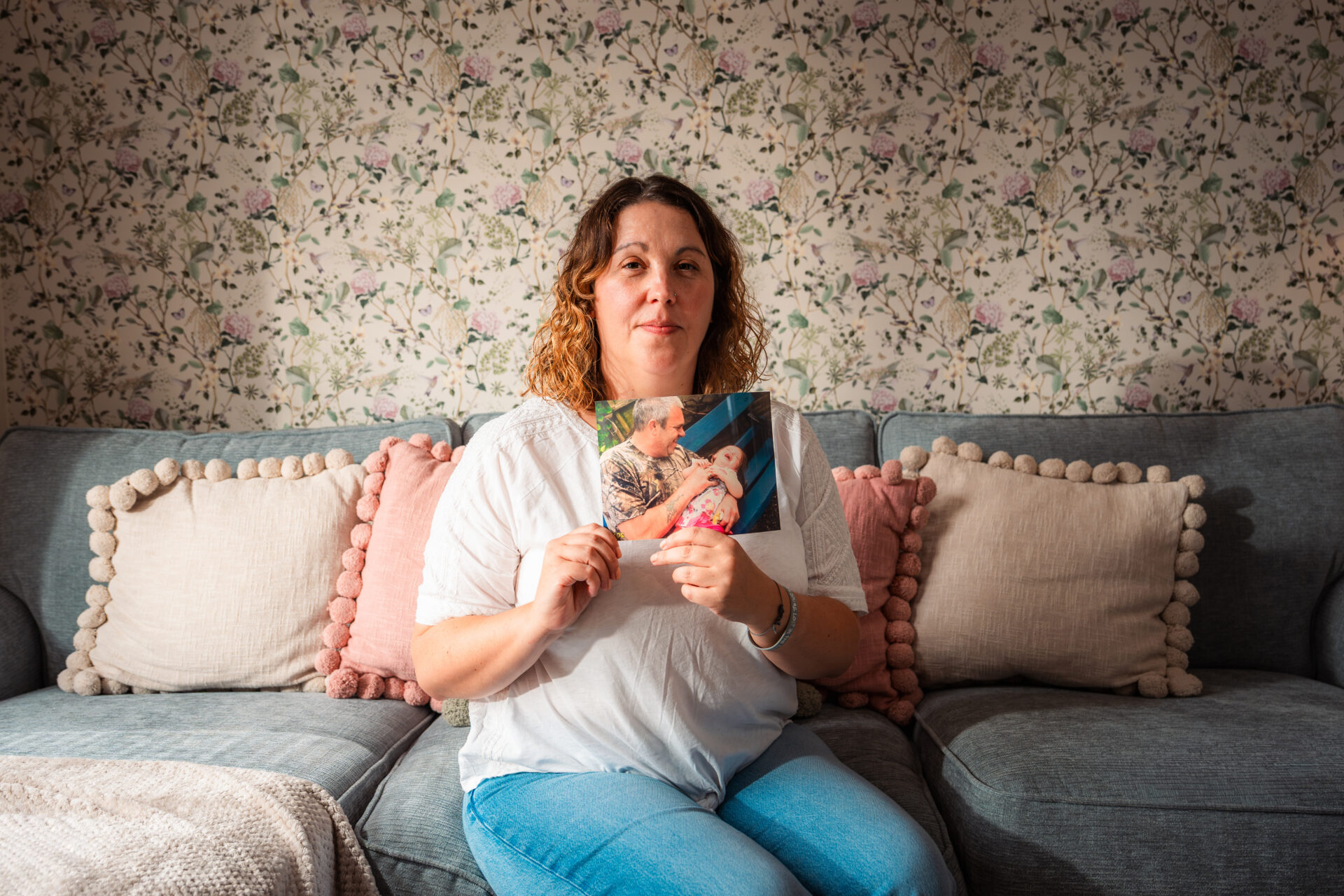
When I raised the similarities and symptoms were presenting, it took many appointments and two trips to A&E, before my dad, Timothy, was sent for a scan. He was initially told it was duodenum cancer, but pancreatic cancer was eventually confirmed. He died in April 2025, aged 65, just six weeks after diagnosis. My dad was unable to have treatment, unlike my mum, Beverley.
My mum, Beverley.
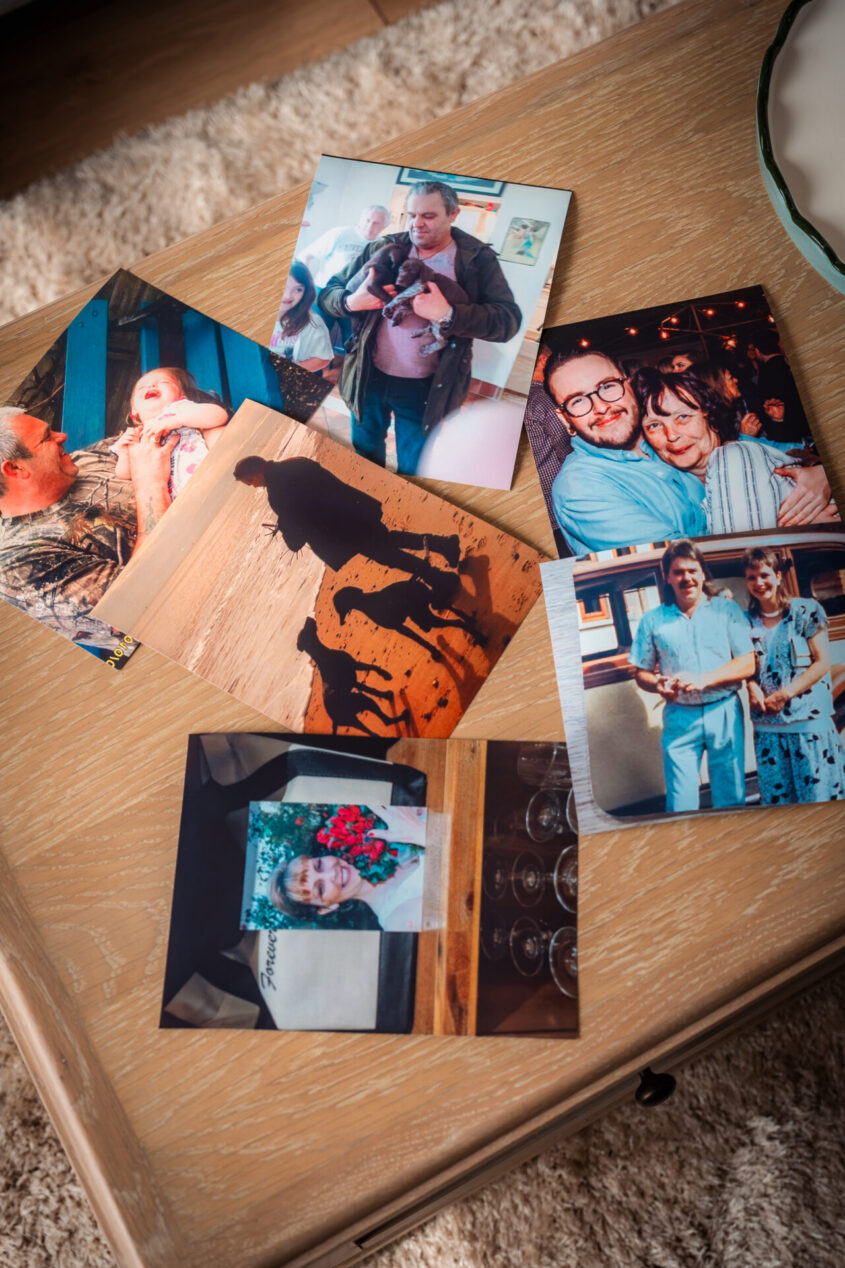
She lived in Australia and died in September 2021, aged 60. She was diagnosed in late 2016, surviving almost five years thanks to treatment. Mum was initially told her diagnosis had come too late for lifesaving surgery, but she quickly found out she was eligible to join a clinical trial for Oncosil [an implanted device that releases radiation directly into tissue]. When used in combination with chemotherapy and radiotherapy, the tumour shrank enough for surgery. Although grateful for the extra time, she found the treatment gruelling.
In summer 2016, mum began to mention backpain. She went to the doctor who said it could be her gallbladder. They performed a few tests, and she was diagnosed with Type 2 diabetes. While waiting on other test results, the back pain started radiating into her front. Mum was in agony. My stepdad took her to A&E where they urgently sent her for a scan. It revealed she had a tumour on the head of her pancreas.
My brother called me to tell me she had pancreatic cancer.
He started to cry, “Bec, they can’t operate.” The tumour was positioned too close to a main artery. Palliative treatment was all she had. As I digested the news, panic set in. I needed to fly there immediately but it’s incredibly expensive, I work fulltime and have children of my own. It wasn’t as easy as jumping on the next plane.
My mums husband works in Australia’s healthcare system and had started looking into clinical trials. He spoke to mum’s doctor who managed to find a clinical trial for OncoSil. The trial would use OncoSil alongside radiotherapy and chemotherapy in the hopes it would shrink the tumour enough to operate.
Mum was the perfect candidate for the trial. We were over the moon.
Things then moved incredibly fast and mum had started treatment by the end of October 2016. Everything became more positive. We were given some hope that she might survive…until the chemotherapy became too harsh for mum to tolerate. She had a few rounds of chemotherapy, but each one was a nightmare. It made her very unwell. In December, she became so ill that she told her doctor she couldn’t continue.
She understood stopping chemo may have impacted her eligibility for surgery, but the chemotherapy was so punishing, she felt it was worth the risk.
Recovery from surgery was tough but my brothers supported mum through it. Eventually, she even felt well enough to return to work parttime – they couldn’t keep her away! She never felt as good as before her diagnosis but for a couple of years, she was able to go out, make plans and see the people she loved. She even managed to move into her beautiful newly built home. She was still with us, feeling well and making memories. Her check-ups were regular too, every three months, which helped keep our minds at ease.
Then COVID hit.
Her appointments kept being rescheduled or cancelled but mum didn’t tell us. She didn’t want us to worry. When she finally had a scan, they had found something in her liver. They wanted her to come in for further investigations. She didn’t go and she didn’t tell us.
It was the 31st of August, the bank holiday when I got the phone call. Sean was in tears. Mum was making no sense, and they’d rushed her to the hospital. She died just four days later, on the 4th of September 2021, aged 60. She died so quickly, there was no chance I would have got there in time. Due to COVID restrictions – Australia had some of the strictest in the world – I’d be quarantined for weeks in a hotel upon arrival. If I wanted to leave the hotel, I had to get permission from the Australian Embassy. With how ill mum was with pancreatic cancer, I knew she wouldn’t be able to wait that long.
After mum died.
I was initially quite angry she hadn’t told us about the scan. However, I knew she didn’t want more treatment. While she was incredibly grateful that treatment had given her two amazing years to make memories and live life to the fullest, it had also given her over two years of being in pain and feeling like rubbish.
I cannot put into words how negatively chemo affected her. It’s horrific that it’s one of the only treatments available.