Managing symptoms and side effects

Pancreatic cancer can cause symptoms and treatments can cause side effects. Tell your medical team if you have any symptoms and side effects, as there are ways to manage them.

What symptoms and side effects can pancreatic cancer cause?

Pancreatic cancer symptoms and treatment side effects include pain, tiredness, digestive problems, changes to your poo, diabetes, feeling and being sick and jaundice. Not everyone will get the same symptoms or side effects.  

Can symptoms be managed or treated?

Your doctor and nurse should regularly check how you are coping with any symptoms or side effects. There are ways to manage these, which can improve how you feel, both physically and emotionally 

Where can I get help for symptoms and side effects?

It’s important that you tell your doctor or nurse about any symptoms or side effects. The sooner symptoms are treated, the better you will feel. If you are having chemotherapy, call the 24 hour emergency number you will be given if you have any side effects. 

Nicci Murphy smiling and facing the camera

Our nurses can help

Call, email or WhatsApp our specialist nurses with your questions about managing symptoms.

Get support now

Watch videos about managing symptoms

We have videos to help you understand how symptoms can be managed. There are videos about diet, sickness, bowel problems, jaundice, fatigue, pain and diabetes.

Watch videos about managing symptoms

What is type 3c diabetes

Pancreatic cancer and surgery to remove the cancer can cause a type of diabetes called type 3c diabetes. It can be treated with tablets or insulin injections.

Read more

How is jaundice managed?

Speak to your doctor or nurse if you have symptoms of jaundice, like yellow skin and eyes. It’s important that it is treated.

Read more

What side effects does chemotherapy cause?

Chemotherapy can cause side effects including infections, fatigue, diarrhoea and feeling and being sick. You may not get all these, and there are ways to manage them.

Read more
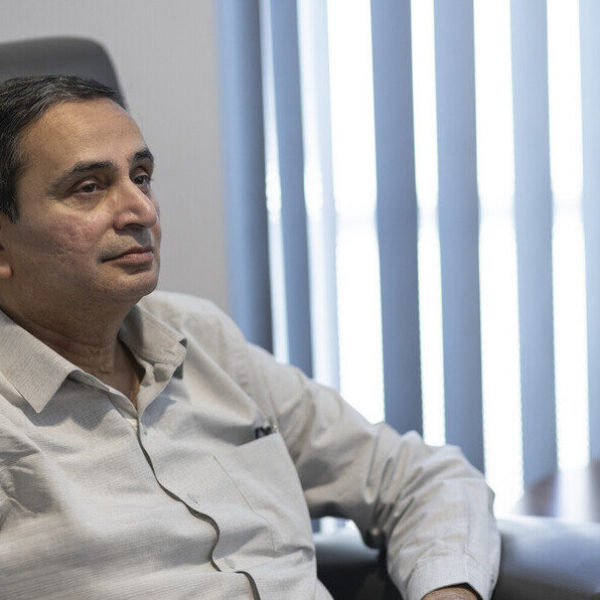
A man sits in a medical setting, wearing a light-colored shirt and a watch, looking contemplative. Medical equipment is partially visible, and vertical blinds cover a window.

What is a blood clot in a vein?

A blood clot in a vein is called deep vein thrombosis (DVT). If it is in the lungs it is a pulmonary embolism. People with pancreatic cancer may be at higher risk of a blood clot in a vein.

Read more

Which pancreatic cancer symptoms are common?

Common symptoms include: 

  • digestion problems 
  • pain 
  • fatigue (extreme tiredness) 
  • feeling and being sick. 

This does not mean that you will get these symptoms. Side effects and symptoms can affect everyone differently.  

Which pancreatic cancer symptoms need urgent advice?

Some side effects and symptoms need to be treated straight away, including infection during chemotherapy, a stent infection, jaundice or blood clot in a vein. If you think you or your family member needs urgent help, call any emergency contact number you have been given, go to A&E or call 999.  

References


We have listed some of the references to the sources used to write this information. If you would like the full list of references, email us at publications@pancreaticcancer.org.uk 

  • Damm M et al. The quality of pain management in pancreatic cancer: A prospective multi-center study. Pancreatology. 2020, 20:1511-1518. DOI: 10.1016/j.pan.2020.08.017 
  • Mustian KM, Alfano CM, Heckler C, Kleckner AS, Kleckner IR, Leach CR et al. Comparison of Pharmaceutical, Psychological, and Exercise Treatments for Cancer-Related Fatigue A Meta-analysis. JAMA Oncol. 2017;3(7):961-968. doi:10.1001/jamaoncol.2016.6914 
  • Moffat GT, Epstein AS, O’Reilly EM. Pancreatic cancer-A disease in need: Optimizing and integrating supportive care. Cancer. 2019:125(22);3927-3935. doi: 10.1002/cncr.32423 
  • Tang C-C, Von Ah D, Fulton J. The symptom experience of patients with advanced pancreatic cancer. An integrative review. Cancer Nursing. 2018:41(1);33-44. doi: 10.1097/NCC.0000000000000463 

Published March 2026 

To be reviewed March 2029