
What care should I get for pancreatic cancer?
It can be hard understanding the healthcare system. Find out about the medical team and how to access different care and support.

To work out the best pancreatic cancer treatment for you, your doctors will look at your scans to work out the type of pancreatic cancer you have and the stage of the cancer. They will also look at other things such as your age, and your general health and fitness.
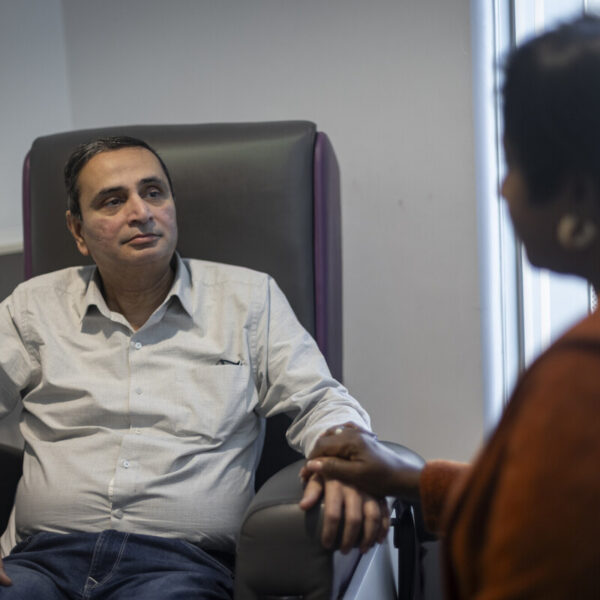
Surgery may be an option for people with cancer that has not spread outside the pancreas.
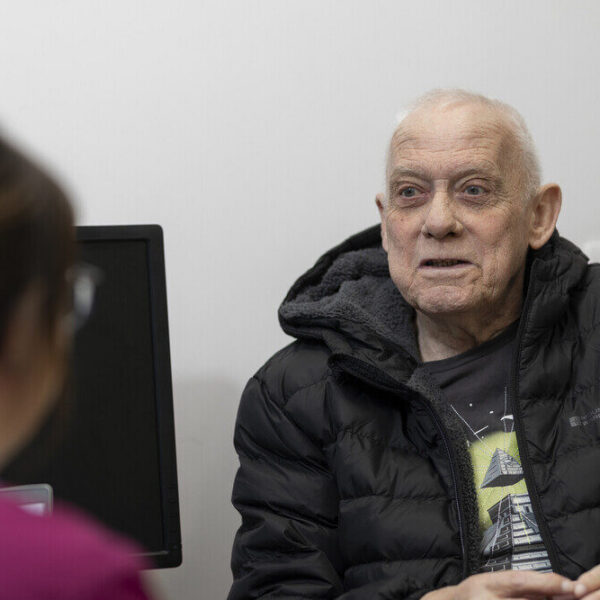
If you can't have surgery to remove pancreatic cancer, you may be able to have chemotherapy to try to control the cancer. There are also treatments to manage any symptoms.
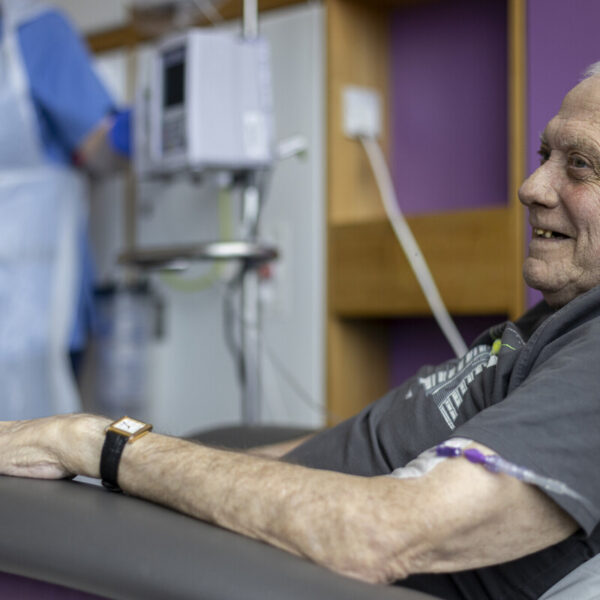
Chemotherapy is one of the main treatments for pancreatic cancer. It is used in different ways, depending on your diagnosis.

Chemotherapy can cause side effects. There are usually ways to manage these.

Radiotherapy is used in different ways depending on your diagnosis and the stage of the cancer.
It can be hard understanding the healthcare system. Find out about the medical team and how to access different care and support.


Clinical trials for pancreatic cancer show us what treatments and care do and don’t work. Find out about trials and use our Trial Finder to search for current trials.

Irreversible electroporation (IRE) is a treatment that uses electrical currents to damage and destroy cancer cells. It may be an option for a few people with pancreatic cancer.

There is research looking into new treatments. These may be available through clinical trials if any are suitable for you

If the cancer is blocking your bile duct and causing jaundice, a tube called a stent can be put in to treat this.

Pancreatic cancer can block the first part of the small intestine (the duodenum). A stent can be put in to open the duodenum.

Bypass surgery is a way to treat some symptoms caused by pancreatic cancer. It is an operation to get around a blockage in the duodenum or bile duct.
What is the best treatment for pancreatic cancer?
The best treatment for your cancer will depend on your diagnosis. Surgery to remove pancreatic cancer is the best treatment for people with pancreatic cancer that has not spread outside the pancreas. You may also have chemotherapy before and/or after surgery, and some people may be offered radiotherapy.
If surgery is not possible, you may be able to have treatments for the cancer, such as chemotherapy or radiotherapy. This will depend on the stage of your cancer and how well you are. The aim of treatment will be to control the growth of your cancer and help you live longer. You will also have treatment to manage any symptoms you have.
We have listed some of the references to the sources used to write this information. If you would like the full list of references, email us at publications@pancreaticcancer.org.uk
Published March 2026
To be reviewed March 2029